
Fear factor: Vasectomy
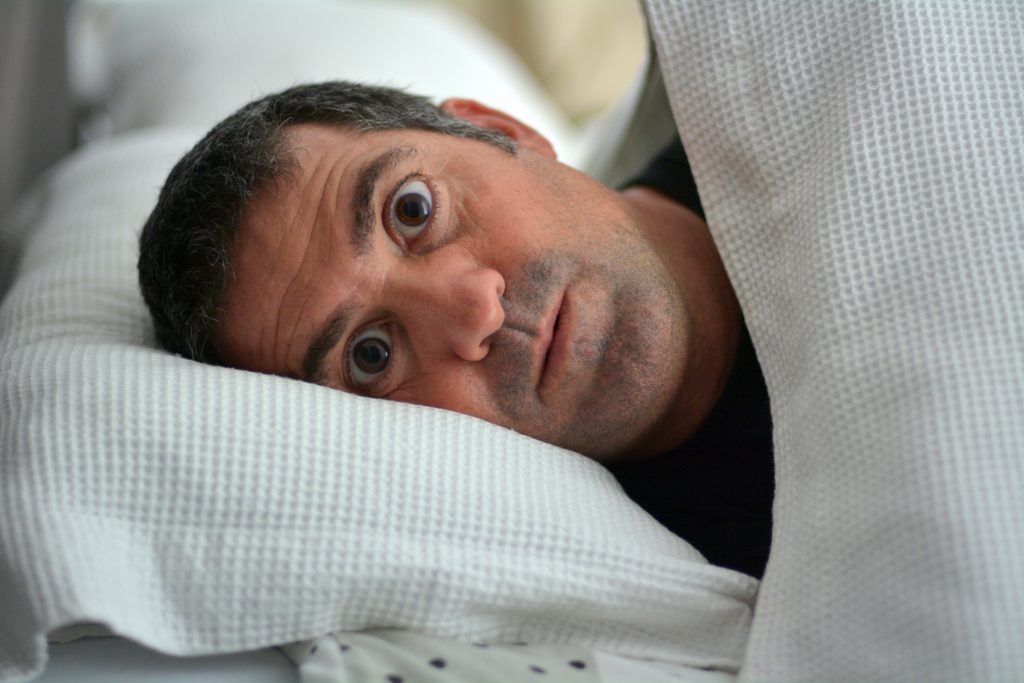
If the thought of getting a vasectomy causes you to break into a sweat, you’re not alone. We’ve got responses to the most common vasectomy-related concerns and questions.
What is a vasectomy?
A vasectomy is a method of male birth control in which the tubes that carry sperm are cut and sealed to prevent sperm from entering the semen.
How effective is the vasectomy as a form of birth control?
A vasectomy is 99.85% effective for preventing pregnancy. However, a vasectomy does not provide immediate birth control. Patients should use alternate forms of birth control for at least three months following a vasectomy. Typically, it takes 10 to 20 ejaculations to completely clear sperm from the semen. A vasectomy offers no protection from sexually transmitted infections.
Is a vasectomy safe?
The short answer is “yes”. Vasectomy is a safe and effective procedure. Complications are rare. However, like any surgical procedure, there are risks including the following.
Right after the surgery:
- Infection
- Bleeding or blood clot
- Bruising/swelling
- Mild pain
Delayed complications:
- Failure of the procedure to work as birth control
- Chronic scrotal pain
- Inflammation caused by leaking sperm (granuloma)
- Inflammation of the tube that collects and transports sperm
The no-scalpel vasectomy is recommended over the conventional vasectomy, as studies demonstrate that the no-scalpel technique results in fewer post-surgery complications.
A vasectomy does not increase the risk of cancer or affect sexual performance. It will not change testosterone levels.
Is there anaesthetic for the procedure?
Yes. Most often, local anaesthetic is used to minimize discomfort during the vasectomy. However, patients with complicating factors, such as previous scrotal surgery, may require sedation or general anaesthetic.
Advances in the vasectomy procedure, including the use of no-needle anaesthetic spray and local anaesthetic cream have made vasectomies more tolerable for patients.
How long is the recovery time?
Patients are advised to rest for 24 hours after a vasectomy. After a couple of days, it is safe to do light activity, but lifting, sexual intercourse and playing sports should be avoided for a week to give the body time to heal.
How will my body feel after the vasectomy?
Right after the vasectomy it’s normal to feel some pain. However, the amount of pain is usually significantly lower than what most men anticipate. Your doctor may recommend that you apply ice packs to your scrotum for the first couple of days to help reduce the swelling and bruising. You may also choose to wear tight-fitting underwear or a jock strap to support the scrotum.
It’s not normal to run a fever, have worsening pain or swelling, or to have blood oozing from the incision. These may be signs of infection.
Can a vasectomy be reversed?
A vasectomy should been viewed as a permanent form of birth control. However, our urologists routinely perform vasectomy reversals. The likelihood that a vasectomy reversal will lead to conceiving a child depends on multiple factors, particularly the length of time since the original vasectomy. The longer the time between the vasectomy and the reversal, the less likely the reversal will be successful.
Is the cost of a vasectomy covered by Alberta Health?
Alberta Health pays the cost of vasectomies for Alberta residents. Vasectomy reversals are not covered, and patients must pay out of pocket. Likewise, men choosing to have a vasectomy after a vasectomy reversal also have to pay.
Research finds actual vasectomy pain much less than anticipated
Researchers from the Department of Urology at the University of Oklahoma Health Centre found that patients greatly overestimated the level of pain they would feel from a vasectomy. 172 patients undergoing a vasectomy were asked to rate their anticipated pain prior to the procedure. Patients were then asked to rate their actual pain within 30 minutes of the procedure.
The researchers summarized their findings stating, “Our data shows that on an average, the pain experienced is only half as bad as expected…in other words patients’ ‘fear factor’ was making their anticipation of pain to be twice as bad as their actual experience during the procedure.”
Reference
Furr J, Baker R, Pham Q, Sindhwani P. Comparative analysis of anticipated pain versus experienced pain in patients undergoing office vasectomy. Can J Urol. 2017 Apr;24(2):8744-8748.